


Rowland Hill & postal reform
One of the most radical innovations of the early Victorian period was the adhesive postage stamp. Before 1840 postage rates were very high and based upon the distance the letter travelled. With more than one sheet the cost doubled or trebled. There were also many anomalies and abuses.
Rowland Hill suggested in 1837 that the anomalies and abuses be eliminated and that postal charges be reduced to a basic rate of 1d (one penny). Letters would be charged by weight rather than distance and prepaid rather than by the recipient. This principle lasted for over 160 years, only being modified with Royal Mail's Pricing in Proportion scheme in 2006.
This proposal was a deliberate attempt at social as well as postal reform: reducing the cost of mail would be a boost to literacy and democratise the use of the post.
Methods of prepayment suggested included stamped envelopes ('covers') and most famously Hill's own suggestion of "a bit of paper just large enough to bear the stamp, and covered at the back with a glutinous wash" which became the adhesive postage label or stamp. After a long campaign these proposals were accepted and became law in August 1839.
- Illustration

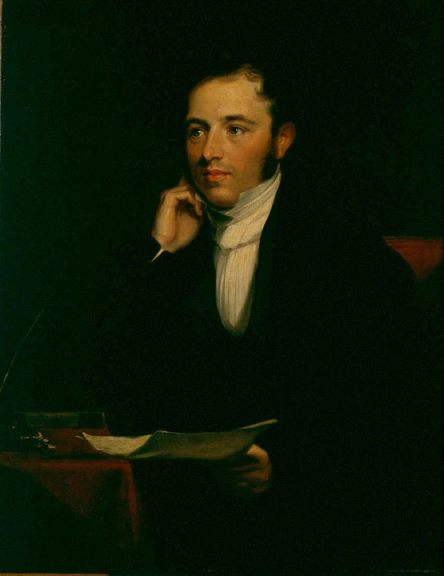
Portrait of Rowland Hill
You may also be interested in...
ICONS of England

A virtual portrait of England through British postage stamps
An exploration of everything that we cherish in our culture, from Stonehenge to the humble cup of tea.
Notable Individuals
Items relating to key individuals from the history of the Post Office
Including Anthony Trollope's signature stamp and material related to postal reformer Rowland Hill.


