


Love Letters
By making the mail cheap and easy to use, the postal reforms of the nineteenth century meant that much more of the British population turned to letter-writing as a means of romantic expression. Sending love letters, of course, is an ancient practice, but in Victorian Britain it became a national phenomenon, a staple of courting ritual and a respectable way of conveying what was in the heart.
But it wasn't only pricing reforms that liberated the Victorian pen. The introduction of the post box in 1852 meant that personal messages could be sent in privacy. No longer was it necessary to visit a post office or receiving house. Pillar boxes offered anonymity. Indeed some were worried about the uses to which this clandestine method might be put, while others perceived it in more romantic terms. GK Chesterton, for example, saw the pillar box as "the treasure-house of a thousand secrets, the fortress of a thousand souls".
This episode of The Peoples Post looked inside the Victorian post box to see how ordinary people sought out love in their writing. From pleading missives quickly rebuffed, to the long maintained correspondence of separated lovers, many of the ways in which the postal service connected people and their affections are explored. This includes the innovation of letter-writing manuals, which gave hopeful lovers instructions in how they might properly express passions without breaching the finer points of Victorian etiquette. The craze for Valentines cards, too, peaked in the 1870s, part of the nation's growing love for greetings cards of all types.
Further Reading
For further reading and to see historic Valentines card artwork see our online exhibition Valentines Day: Passion Through the Post. Alison Bean's blog Valentines Cards gives further information on this topic.
- Illustrations

'Your love my happiness' Valentine Card
'To My Valentine' Valentine Card
'My Valentine/ I love you' Valentine Card
'To the one I love' Valentine Card
Pop up valentine card
You may also be interested in...
Post Office Women
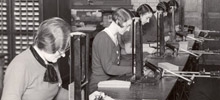
Women have worked for the Post Office in large numbers since 1870
The history of women in the Post Office, and a look at some of the more notable female postal workers.
Valentine's Day

Passion through the post - greetings cards, telegrams and more
Feel the love in this online exhibition which takes a look at some of the more romantic items in our collection.


